



Location
No. 228 North Street, Gaobeidian City, Hebei Province

Opening Hour
09:00 AM - 06:00 PM
Monday - Saturday
For More Information
Your Email Address
SIGN UP
Industries Provide Best Services
It has a number of invention patents and utility model patents, has passed a number of
management certification system certification certificates, and won the honorary title of
"National high-tech Enterprise" and "Hebei Province Specialized in special new small and
medium-sized enterprises."
VIEW MORE
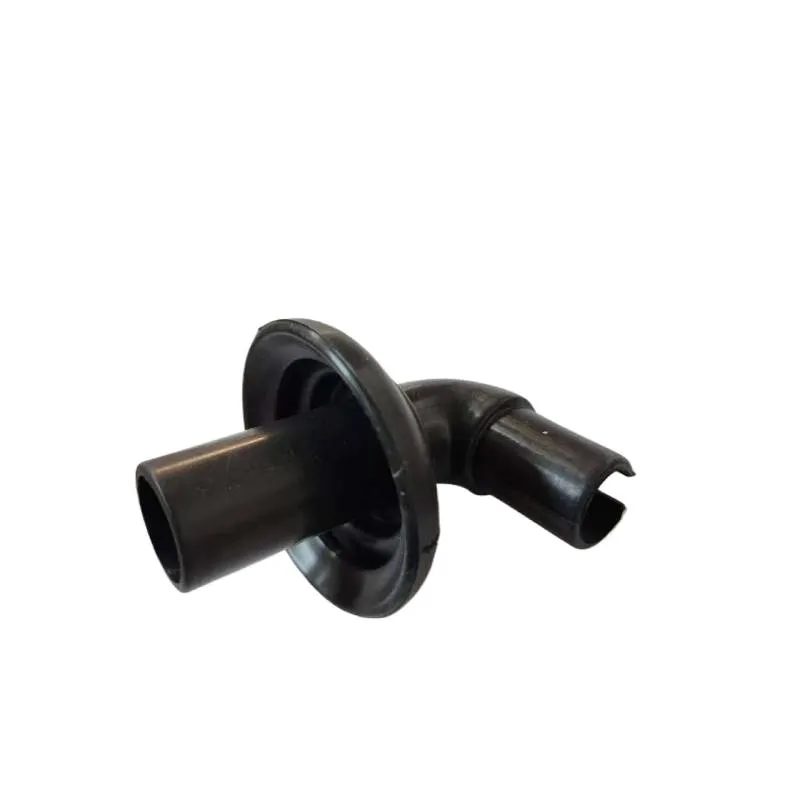
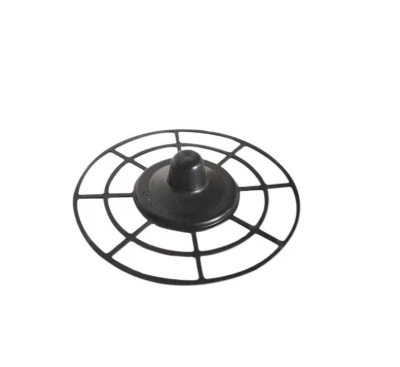
high temp silicone mold making
/For wholesalers in manufacturing supply chains, optimizing injection molding cycle times for plastic parts is critical for improving efficiency and reducing costs. This guide explores key strategies to enhance production cycles while maintaining quality standards for plastic parts , with insights into metal parts and rubber parts manufacturing. Critical Factors in Plastic Part Cycle Time Reduction Optimizing cycle times for plastic parts requires addressing several interdependent factors. Mold design stands as the most significant element, with conformal cooling systems offering up to 40% faster cooling versus traditional methods. Material selection equally impacts production speed, as amorphous resins permit quicker cycles than crystalline materials. Processing parameters including injection velocity (typically 50-100mm/sec for most plastic parts ), holding pressure (often 50-80% of injection pressure), and precise temperature controls (±1°C tolerance) must be balanced to achieve optimal results. Advanced sensors now provide real-time melt pressure and temperature data, enabling dynamic adjustments that reduce average cycle times by 15-20% while maintaining dimensional tolerances within ±0.05mm for precision plastic parts . Comparative Analysis of Metal Parts Production Challenges Metal parts manufacturing presents distinct challenges compared to plastic parts . The powder metallurgy process for metal parts typically requires sintering cycles of 2-4 hours at 1300-1500°C, contrasting sharply with plastic parts cooling times measured in seconds. Recent advances in rapid sintering techniques have reduced these cycles by 30% for certain alloys. The higher thermal conductivity of metals (often 50-400 W/mK versus 0.1-0.3 W/mK for plastic parts ) necessitates different mold heating strategies, with induction heating systems achieving 300-500°C mold temperatures in under 60 seconds. These fundamental differences require separate optimization approaches when managing mixed production lines containing both metal parts and plastic parts . Innovations in Rubber Parts Vulcanization Technology GaoBeiDianShi Fengye Rubber Seals Co.,Ltd. has pioneered several breakthroughs in rubber parts vulcanization that reduce cycle times while maintaining quality. Their multi-stage curing process decreases standard vulcanization times from 8-10 minutes to 5-7 minutes for typical rubber parts . Advanced mold technologies incorporating 3D-printed conformal heating channels achieve temperature uniformity within ±2°C, compared to ±5°C in conventional systems. The company's latest servo-electric presses provide precise pressure control (±0.5% variation) during the critical cross-linking phase, enabling 15-20% faster cycles for rubber parts without compromising the 70-90 Shore A hardness specifications. These innovations demonstrate how targeted process improvements can significantly enhance production efficiency for rubber parts while meeting stringent quality requirements. plastic parts FAQ S What percentage of the injection molding cycle is typically spent cooling for plastic parts? The cooling phase typically accounts for 60-80% of total cycle time for plastic parts , making it the primary target for optimization efforts. For a standard 30-second cycle on a 2mm thick plastic part , cooling may require 18-24 seconds. Advanced conformal cooling can reduce this to 12-15 seconds while maintaining part quality, representing a 30-40% reduction in this critical phase. How does automation contribute to plastic part cycle time consistency? Automated systems improve plastic parts production consistency by reducing human-dependent variability in cycle times. Robotic part handling typically achieves ±0.2-second repeatability versus ±1-2 seconds for manual operations. Integrated vision systems can perform quality checks in 0.5-1 second during the ejection phase, eliminating separate inspection cycles. These automated processes collectively reduce overall cycle time variation to under ±3% for high-volume plastic parts production. What are the key material properties affecting plastic part cycle times? Three material properties most impact plastic parts cycle times: thermal diffusivity (α=k/ρCp), which determines cooling rates; melt flow index (MFI), affecting injection speeds; and crystallization kinetics for semi-crystalline resins. For example, polypropylene (α≈0.07 mm²/s) cools 30% faster than nylon (α≈0.05 mm²/s), enabling shorter cycles. New fast-crystallizing formulations can reduce plastic parts cycle times by an additional 15-20% versus standard materials. Can the same mold design principles apply to both plastic parts and rubber parts? While plastic parts and rubber parts molds share basic design concepts, critical differences exist. Rubber parts molds require 5-10° draft angles versus 1-3° for plastic parts , and typically use compression or transfer molding rather than injection. GaoBeiDianShi Fengye Rubber Seals Co.,Ltd. uses specialized venting systems (0.01-0.03mm gaps) in rubber parts molds to prevent air traps, compared to standard plastic parts venting of 0.025-0.05mm. These adaptations account for rubber's higher viscosity and vulcanization requirements. What are the economic benefits of cycle time reduction for plastic parts? A 10% reduction in cycle time for plastic parts production typically yields 8-12% increased capacity without additional capital investment. For a medium-sized operation producing 1 million plastic parts annually at $0.50 each, this translates to $40,000-60,000 annual savings. The ROI for optimization technologies like conformal cooling often falls under 12 months for high-volume plastic parts applications. By implementing these material-specific optimization strategies, wholesalers can achieve significant efficiency gains across plastic parts , metal parts , and rubber parts production, enhancing their competitive position in industrial supply chains.
-
1985Year/Establishment
-
4hm²/Land area
-
150People/Number of employeesent
Company Advantage
Our Advantage Is To
Change Your Company
Change Your Company
-

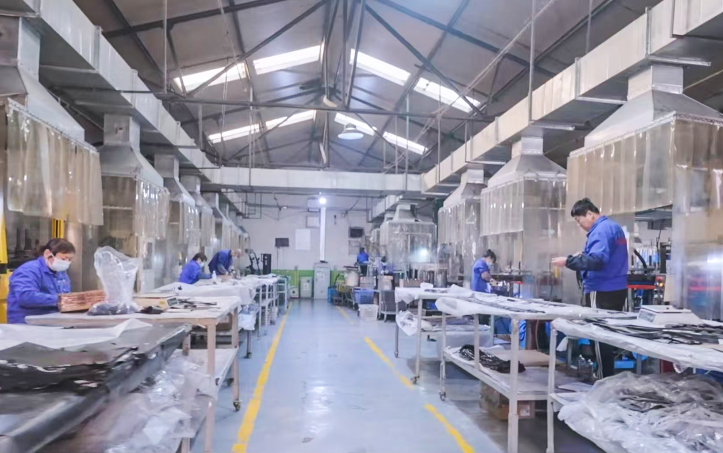
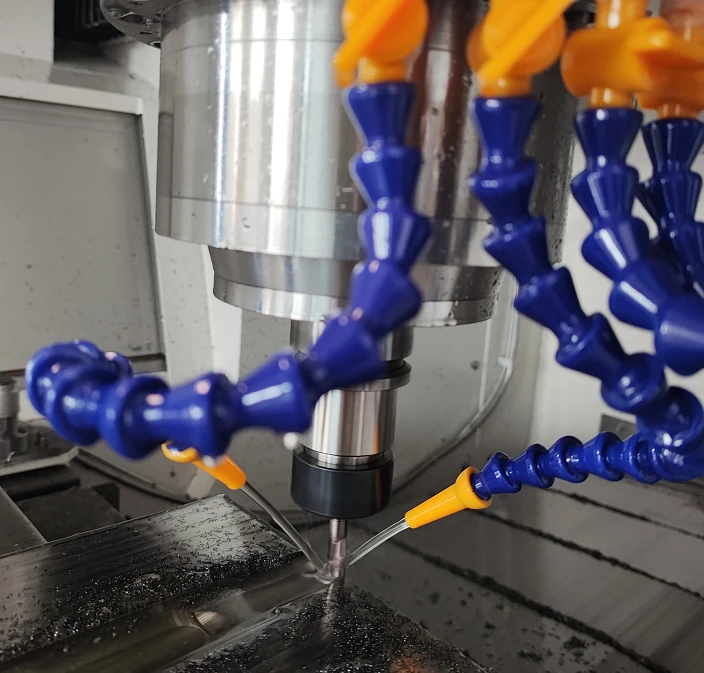
 ProfessionalWith 40 years of experience in customizing rubber and plastic products, we have rich production experience, advanced equipment, and a professional quality inspection system
 -

 ServiceProviding a full range of services including design, research and development, production, testing, etc., personalized customization, customer first, and quick response
 -

 ResourcesFactory direct supply, over a thousand application formulas and selection solutions, worry free after-sales service
Company Honor
Enterprise
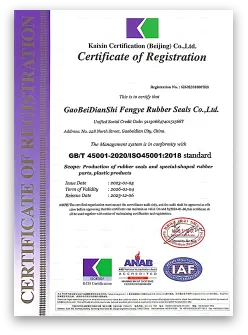
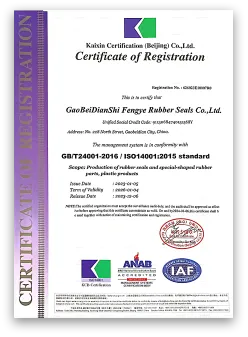
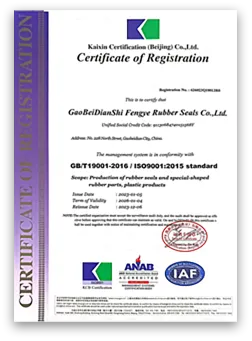
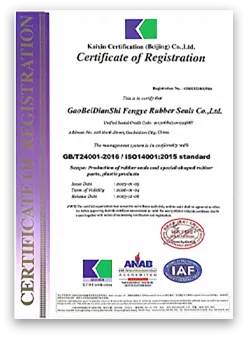
Honor Certificate
Honor Certificate
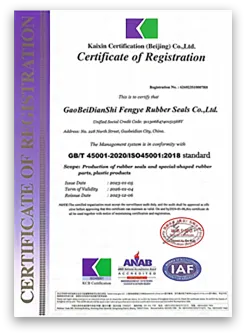
Has passed a number of management certification system certification
certificates, and won the honorary title of "National high-tech Enterprise" and "Hebei
Province Specialized in special new small and medium-sized enterprises."
VIEW MORE
Company News
Latest Blog & Aritcles
-
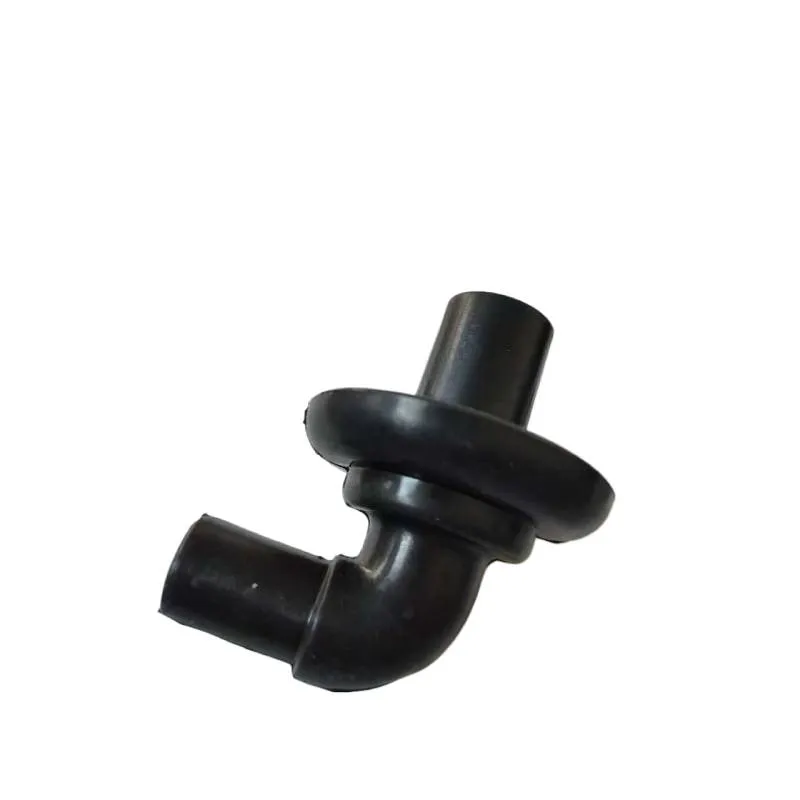 tubo di gomma dell'albero dell'aria2026-04-06 06:04Tubi di gomma di grandi dimensioni un viaggio nel mondo delle applicazioni industriali I tubi di gomma di grandi dimensioni rivestono un ruolo fondamentale in numerosi settori industriali, dimostrando la loro versatilità e importanza strutturale. Oltre alla loro capacità di trasportare fluidi, questi tubi sono essenziali in altre applicazioni critiche che spaziano dalla costruzione alla manifattur
 -
-

GaoBeiDianShi Fengye Rubber Seals Co.,Ltd
We take the rubber parts and plastic parts production as the leader ,
set customization, research and development,
Quick Links
Our Products
Contact Us
- Mob: +86 0312-2911666/+86 0312-2911318
- Fax: 0312-2911511
- Email: rubber@hbfengye.com/
- Add: No. 228 North Street, Gaobeidian City, Hebei Province
Copyright © 2025 GaoBeiDianShi Fengye Rubber Seals
Co.,Ltd. All Rights Reserved. Privacy
Policy


